Insurance can feel like its own language—full of jargon, numbers, and fine print. But behind the complexity lies a simple truth: insurance is a tool for financial protection, not confusion.
In a recent episode of The Insurance Hour, host Karl Susman tackled some of the most commonly misunderstood questions from listeners. From auto insurance pricing to rideshare coverage, gap policies, and the state of health insurance in America, Susman broke down how insurance really works—and why knowledge remains your best defense in a rapidly changing market.
Understanding the True Purpose of Insurance
Susman begins by reminding listeners that insurance is not designed to eliminate risk entirely—it’s designed to transfer risk.
“There’s a lot of misunderstanding about what insurance is and what it isn’t,” he explains. “My goal is to help people understand how insurance works—what it’s designed to do, what their expectations should be, and how to get the most out of it.”
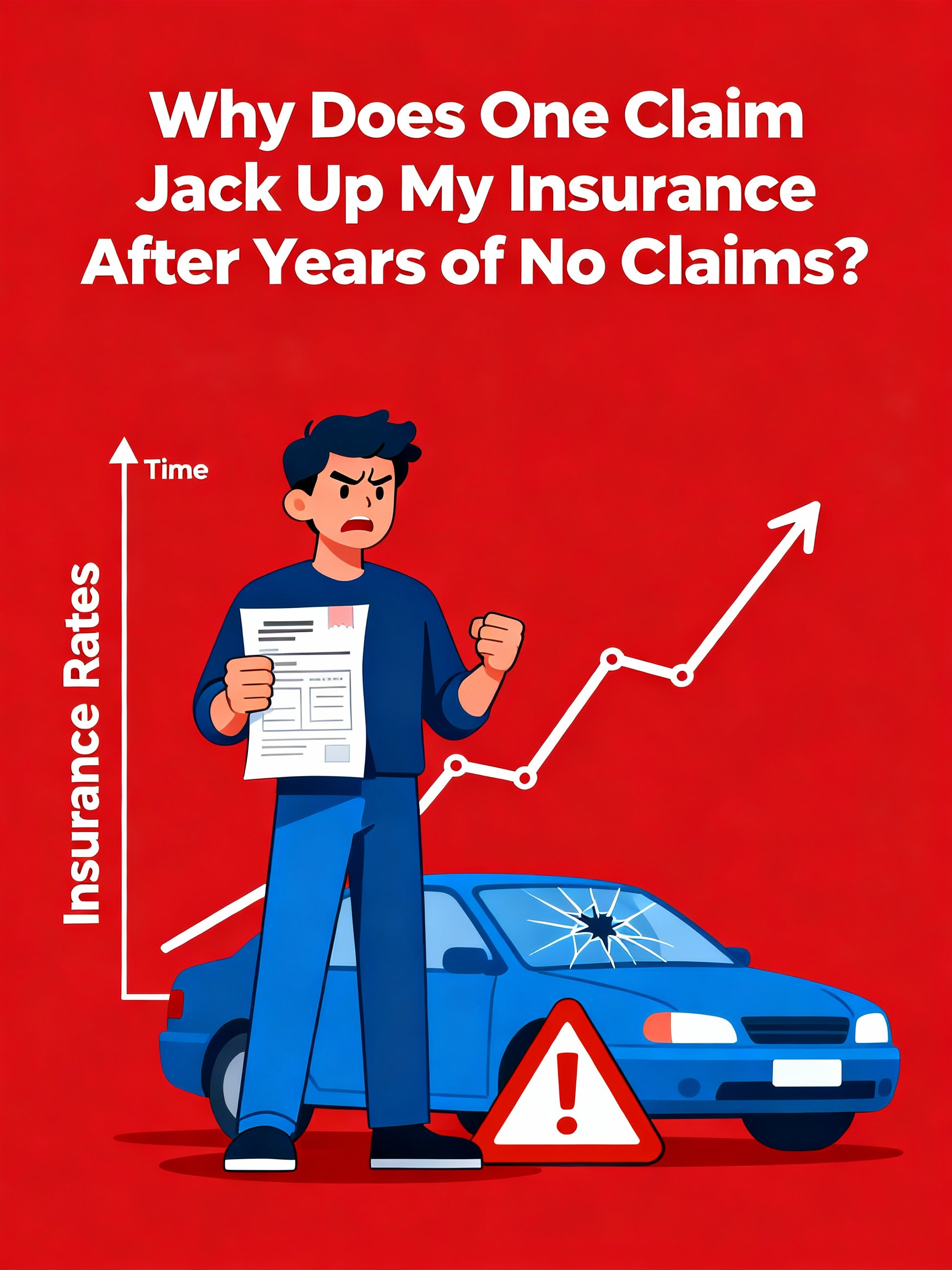
Consumers often perceive non-renewals, denied claims, or rate increases as random. In reality, these decisions are tied to data, claims history, inflation, and rising repair costs. As Susman emphasizes, “Nothing happens in a vacuum.”
Where to Buy Car Insurance and Why It Matters
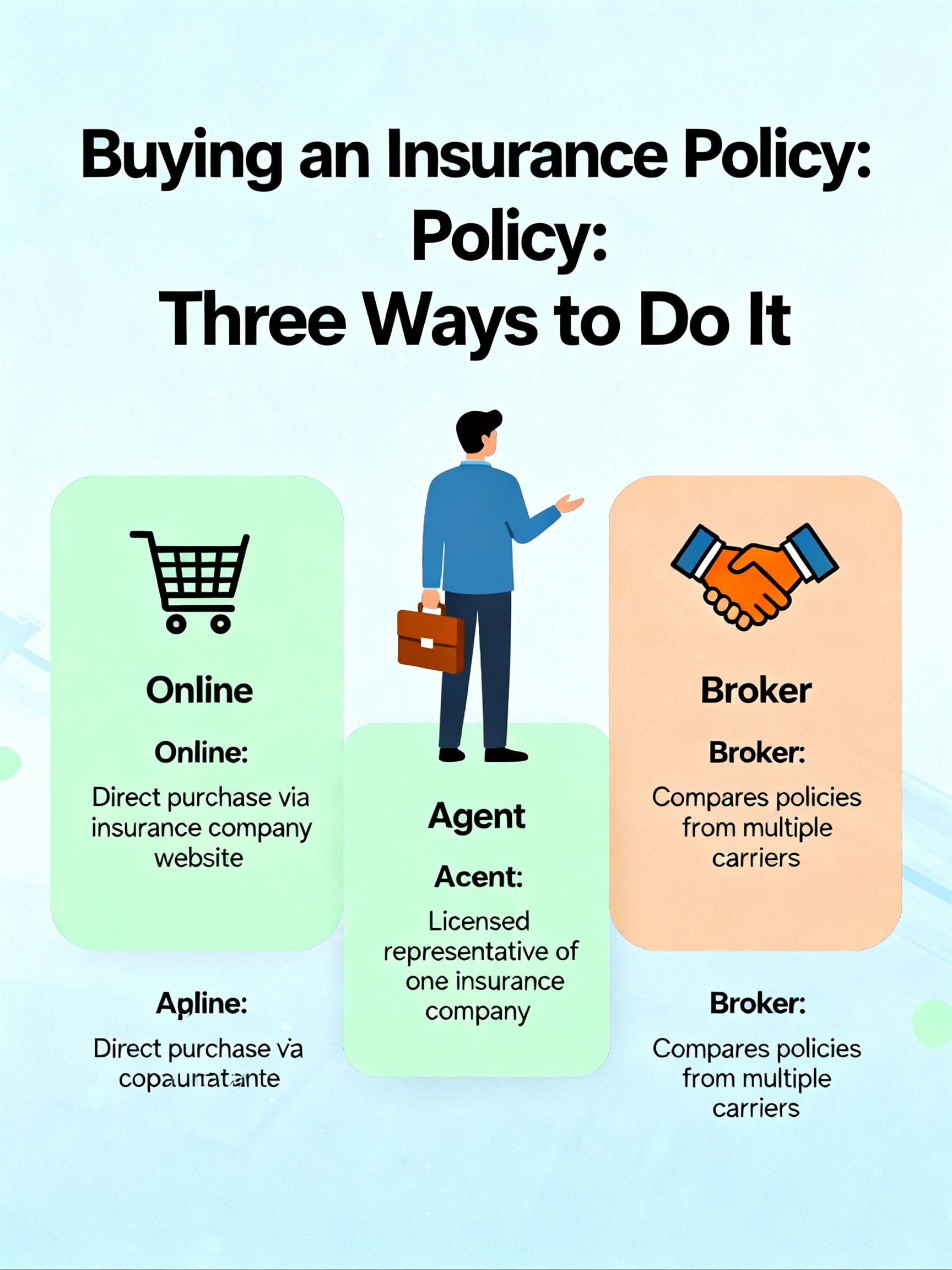
One of the most common questions Susman receives is about the best place to buy car insurance. He outlines three primary options:
- Buying directly from the insurance company for speed and convenience
- Working with a captive agent for product-specific expertise
- Using an independent broker for multiple carrier options and personalized advocacy
“Buying direct gives you speed,” Susman says. “A captive agent gives you deep knowledge. But with a broker, you get choice—and someone who represents you, not the company.”
In California’s tight insurance market, however, even choice is limited. More than 87% of insurers are either not writing new policies or enforcing strict underwriting guidelines. As Susman puts it, “It’s not shopping anymore—it’s hunting.”
Why Car Insurance Doesn’t Get Cheaper as Your Car Ages
Many drivers expect their premiums to drop as their car depreciates. Susman explains why that logic often fails.
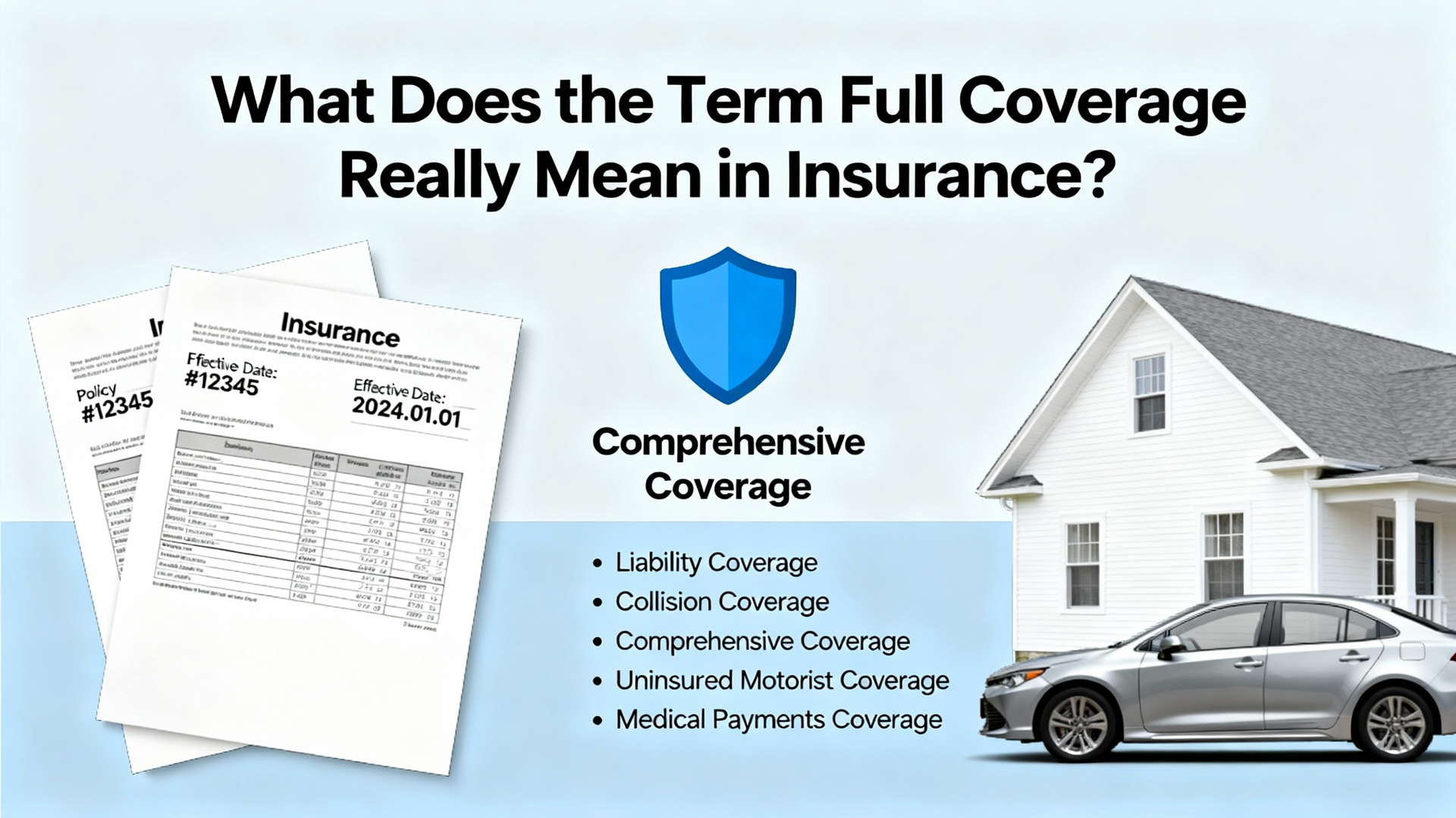
If you were only insuring the car against fire and theft, premiums would decline with value. But most policies include collision and liability coverage, which are driven by repair costs and injury claims—not the car’s resale price.
“What used to be a few hundred dollars for a fender bender now costs thousands,” Susman explains, citing sensors, cameras, and advanced electronics that require specialized labor.
While the comprehensive portion of your bill may decrease, collision and liability often rise due to soaring repair and medical costs.
Hidden Auto Insurance Discounts You May Already Have
Many discounts are applied automatically based on your vehicle’s built-in safety features. Anti-lock brakes, airbags, lane assist, and adaptive cruise control are often factored directly into pricing through your VIN.
“You may already be getting discounts you don’t even know about,” Susman notes.
He also highlights common proactive discounts, including defensive driving courses, good student discounts, and multi-policy bundles—small savings that add up over time.
The Maintenance Myth: What Insurance Does Not Cover
A frequent source of frustration is when claims are denied for routine wear and tear. Susman draws a clear line: insurance covers sudden and accidental damage, not maintenance.
“Insurance policies aren’t maintenance plans,” he explains. “If it’s gradual, it’s maintenance. If it’s sudden and accidental, that’s insurance.”
Oil changes, worn tires, and aging components fall outside standard coverage even under comprehensive policies.
What Gap Coverage Is and Why It’s So Important
Gap coverage protects drivers when they owe more on a vehicle loan or lease than the car’s actual cash value.
The moment a new car leaves the lot, it typically loses 7–8% of its value. If that car is totaled or stolen, the insurer pays market value—not the loan balance.
“Gap coverage is a small add-on, but it can save you thousands,” Susman says. Many leases include it automatically, but not all auto loans do.
Rideshare Driving and the Dangerous Coverage Gap
Drivers for Uber, Lyft, and similar platforms often fall into insurance gray areas. Coverage changes depending on whether the app is on, a ride is accepted, or a passenger is in the vehicle.
“You must tell your insurance company you’re doing rideshare,” Susman warns. “Otherwise, a claim could be denied.”
Adding rideshare coverage typically costs very little and prevents potentially devastating gaps in protection.
Why the Legal Minimum Isn’t Enough
While it is technically legal in California to drive without auto insurance by posting a bond, Susman strongly discourages it.
“Bonds are small, and you have no claims adjuster, no advocate, no one to help,” he says. The financial exposure and legal risk far outweigh any perceived savings.
Personal vs. Commercial Auto Use Explained
The line between personal and commercial auto insurance can be blurry. Driving to and from work is generally considered personal use. But transporting tools, clients, or operating under a business name can trigger the need for commercial coverage.
Susman offers a simple test: “Where does the car sleep?” If it’s parked at job sites, that’s a red flag for business use.
The Health Insurance System and Its Structural Problems
Health insurance, Susman says, is no longer functioning as it was originally designed. It was built to protect against catastrophic events, not to serve as an all-purpose payment system.
“Too few carriers, too much bureaucracy, and prices that don’t align with services,” he explains. While he supports universal access, the system requires structural reform to balance cost, care, and sustainability.
A Personal Moment That Reinforces the Message
In a lighter moment, Susman shares his personal struggle with chronic migraines and his attempt to quit caffeine. Going from multiple double espressos to zero highlighted the same themes he teaches about insurance: balance, adaptation, and long-term thinking.
Final Thoughts
Insurance doesn’t have to be intimidating. As Karl Susman reminds listeners, it’s not about selling policies—it’s about understanding them.
“Don’t assume you’re covered,” he says. “Ask questions. That’s what licensed professionals are for. Questions are free—and the answers can save you a fortune.”
From auto coverage to health insurance, the lesson is simple and powerful: the more you understand insurance, the better protected—and more confident—you become.